
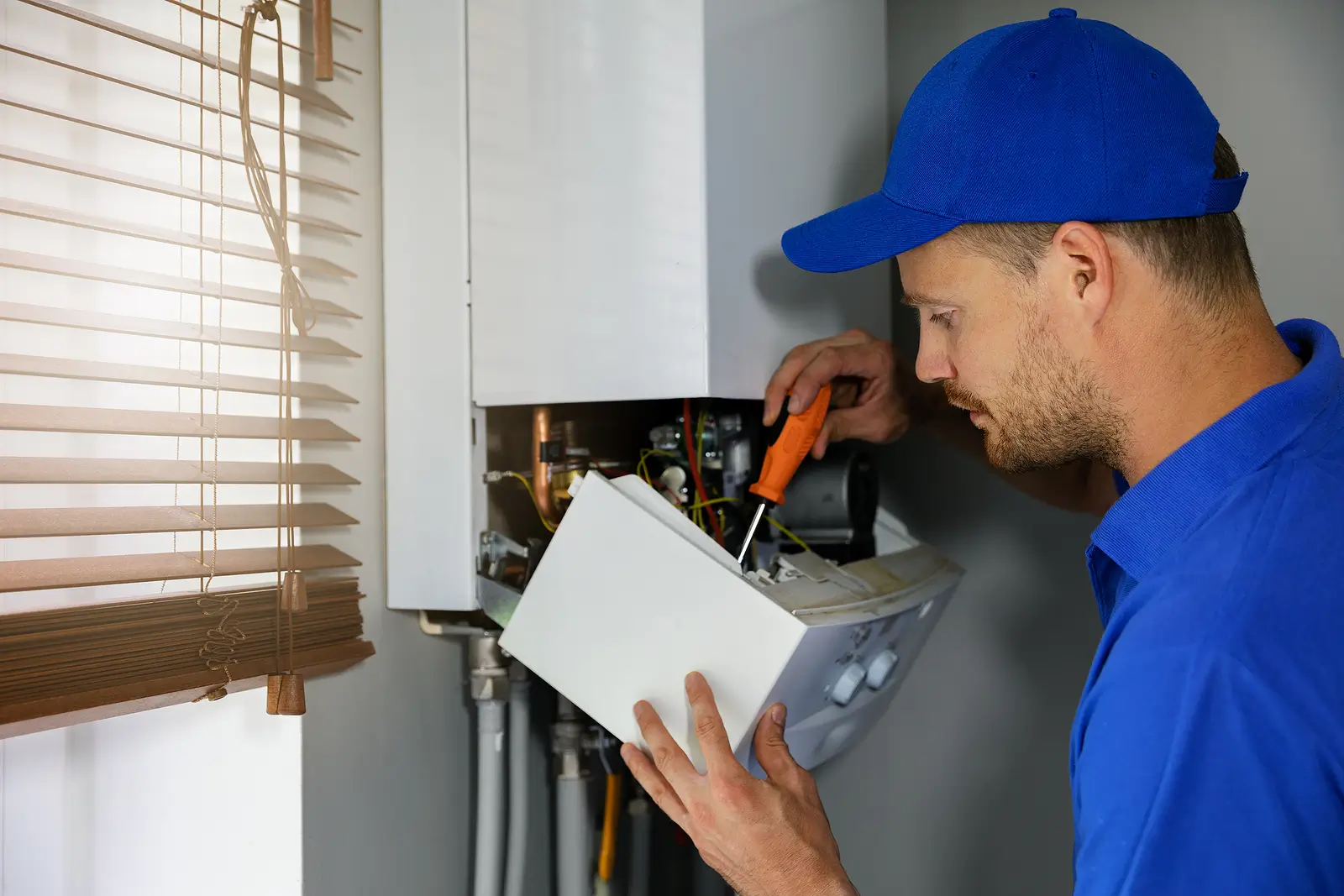
One overlooked maintenance issue can quietly reduce a rental property's profitability long before it becomes obvious. A clogged gutter may eventually lead to roof damage, a neglected HVAC system can fail during peak summer, and a minor plumbing leak might turn into extensive water damage. While these problems often seem unexpected, many begin as small issues that could have been addressed early.
That is why preventive maintenance is more than a routine responsibility. It is a proactive investment strategy that helps landlords reduce operating costs, protect property value, and create a better experience for tenants.
Whether you own a single-family rental or a multifamily property in St. Louis, staying ahead of maintenance needs can strengthen your property's financial performance over time. Partnering with professional maintenance services also makes it easier to keep routine upkeep on schedule.
Key Takeaways
- Preventive maintenance helps landlords avoid expensive emergency repairs.
- Routine upkeep extends the lifespan of major building systems.
- Well-maintained properties encourage tenant retention and stable rental income.
- A proactive maintenance plan protects property value while improving long-term ROI.
What Is Preventive Maintenance?
Preventive maintenance is the practice of performing scheduled inspections, servicing equipment, and completing minor repairs before larger problems develop. Rather than waiting for something to fail, landlords proactively maintain their properties to keep systems operating safely and efficiently.
This differs from reactive maintenance, where repairs happen only after equipment breaks down or damage has already occurred. While emergencies cannot always be avoided, depending solely on reactive maintenance often leads to higher repair bills, unexpected disruptions, and frustrated tenants.
Preventive Maintenance vs. Reactive Maintenance
Preventive maintenance includes:
- Routine HVAC servicing
- Plumbing and roof inspections
- Appliance maintenance
- Gutter cleaning
- Safety equipment testing
Reactive maintenance often involves:
- Emergency plumbing repairs
- HVAC breakdowns
- Water damage restoration
- Electrical failures
- Unexpected equipment replacement
The difference is simple: addressing small issues early is almost always less expensive than repairing major damage later. Over time, this proactive approach helps preserve both your property and your investment returns.
How Preventive Maintenance Improves Rental Property ROI
Preventive maintenance improves ROI by reducing avoidable expenses while protecting your property's ability to generate consistent rental income.
Reduces Expensive Emergency Repairs
Emergency repairs often require immediate attention, premium labor rates, and costly replacement parts. Routine inspections help identify developing issues before they become urgent problems.
Preventive maintenance can uncover:
- Small plumbing leaks
- Aging HVAC components
- Roof deterioration
- Drainage issues
- Loose electrical connections
Fixing these problems early helps landlords avoid emergency repair costs while minimizing disruptions for tenants.
Extends the Life of Major Property Systems
Major building systems represent significant investments. Routine servicing keeps HVAC equipment, plumbing, roofing, electrical systems, and appliances operating efficiently while reducing wear and tear. Replacing filters, inspecting leaks, cleaning gutters, and servicing equipment all help delay costly replacements, allowing landlords to protect cash flow and improve long-term profitability.
Preserves Long-Term Property Value
Deferred maintenance gradually reduces a property's condition, curb appeal, and marketability. Consistent upkeep helps preserve structural integrity while making the property more attractive to both prospective tenants and future buyers.
Maintaining organized repair records alongside professional property accounting also gives landlords better visibility into maintenance expenses and overall investment performance, making budgeting and financial planning more effective.
How Preventive Maintenance Benefits Tenants
Tenant satisfaction directly affects occupancy rates and long-term profitability. When residents experience fewer maintenance issues and see that repairs are handled proactively, they are more likely to renew their leases, reducing turnover costs and keeping rental income consistent.
Reduces Vacancies and Lost Rental Income
Well-maintained properties create stronger first impressions and are generally easier to lease. Prospective renters are more confident signing a lease when they see a property that is clean, functional, and properly maintained.
Fewer vacancies also help landlords reduce:
- Lost rental income
- Marketing expenses
- Cleaning costs
- Make-ready repairs
Maintaining occupancy keeps cash flow more predictable throughout the year.
Improves Energy Efficiency and Everyday Comfort
Preventive maintenance also helps rental properties operate more efficiently.
Examples include:
- Servicing HVAC equipment
- Repairing plumbing leaks
- Sealing air leaks
- Cleaning dryer vents
- Weatherproofing doors and windows
These improvements reduce unnecessary energy consumption while creating a more comfortable home for tenants. Better efficiency can also lower operating costs and improve the property's overall appeal.
Best Practices for Building a Preventive Maintenance Plan
A successful maintenance strategy depends on consistency rather than reacting only when problems occur.
Schedule Routine Property Inspections
Routine inspections help landlords identify developing issues before they become expensive repairs.
During inspections, evaluate:
- HVAC systems
- Plumbing fixtures
- Roofing and gutters
- Electrical components
- Smoke detectors
- Windows and doors
Regular inspections also create a valuable maintenance history that supports future planning.
Create a Seasonal Maintenance Checklist
St. Louis experiences changing weather throughout the year, making seasonal maintenance especially important. Throughout the year, landlords should prioritize:
- HVAC servicing
- Gutter cleaning
- Roof inspections
- Plumbing checks
- Window and door weatherproofing
- Exterior drainage inspections
Following a checklist helps ensure important maintenance tasks are completed consistently instead of being overlooked.
Keep Thorough Maintenance Records
Maintenance records make budgeting, warranty tracking, and long-term planning much easier. They also help landlords monitor recurring issues, prepare for future capital improvements, and simplify insurance documentation when necessary.
Work with Experienced Maintenance Professionals
Reliable maintenance professionals often identify developing problems before they become major repairs. Combined with property management technology, they can help landlords stay on schedule while documenting completed work.
Landlords can also evaluate how maintenance investments affect profitability by using an ROI calculator before making major financial decisions.
FAQs
1. How often should rental properties receive preventive maintenance?
Most rental properties benefit from seasonal inspections, annual servicing for major systems, and maintenance checks between tenant turnovers. Older properties may require more frequent inspections.
2. Which maintenance tasks save landlords the most money?
HVAC servicing, roof inspections, plumbing maintenance, gutter cleaning, and leak detection typically provide the greatest long-term savings by preventing expensive structural damage and emergency repairs.
3. Is preventive maintenance worthwhile for a single rental property?
Yes. Even one rental property benefits from preventive maintenance because it reduces unexpected repair costs, preserves property value, and supports tenant retention.
4. Can preventive maintenance improve rental property ROI?
Yes. Preventive maintenance lowers repair expenses, reduces vacancies, extends equipment life, and protects property value, all of which contribute to stronger long-term investment returns.
Protect Your Investment with Proactive Maintenance
Profitable rental properties are built on consistent, proactive decisions rather than costly last-minute repairs. Every inspection completed, system serviced, and minor issue resolved before it escalates helps create more predictable expenses, stronger tenant relationships, and a more valuable investment over time.
At Turn Key Up Investments, we help St. Louis landlords protect their investments through proactive property management and maintenance strategies designed for long-term success. Contact our team today if you're ready to reduce costly surprises and maximize your rental property ROI.