
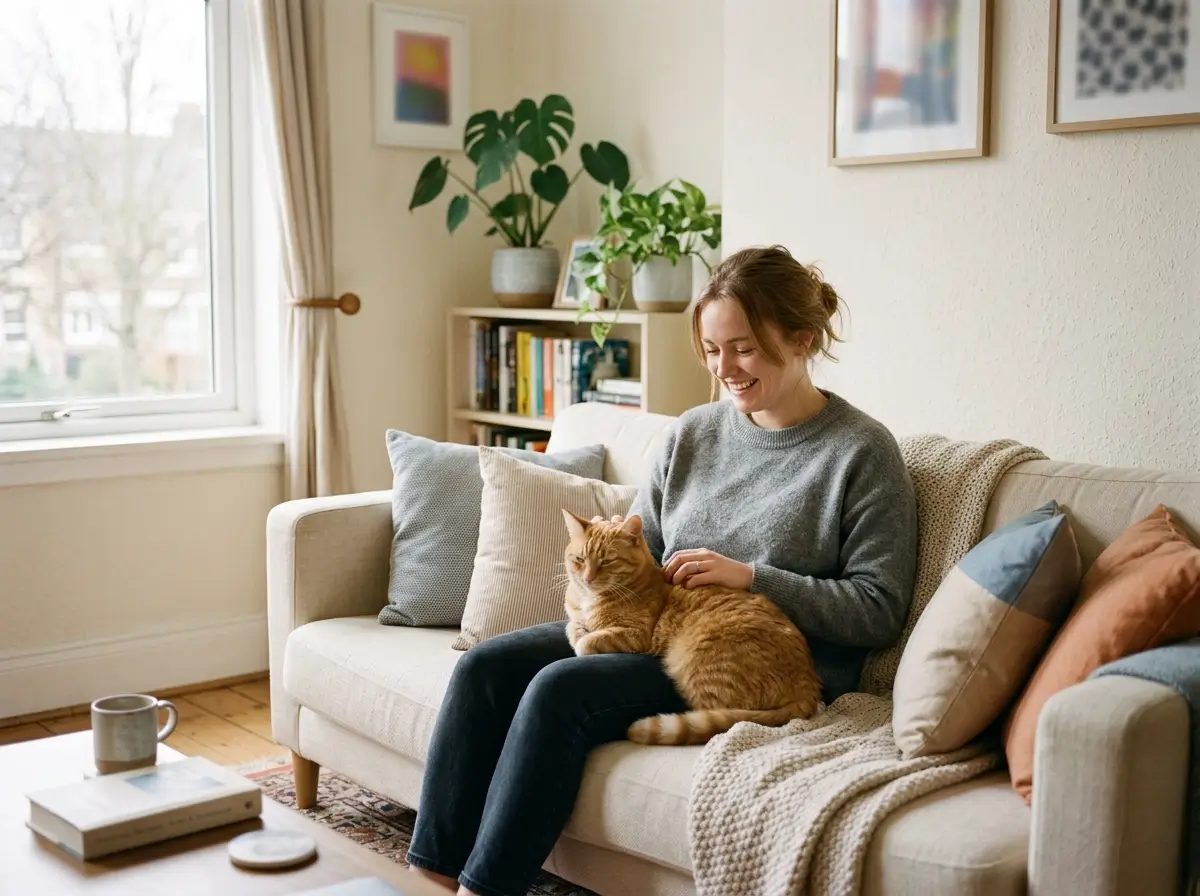
If you own a rental in St. Louis, you have probably wrestled with the "no pets" question. Banning all pets feels like the safest option, since you won’t have to worry about scratched floors, noise complaints, or lingering odors. However, it will shrink your pool of tenants. This is a trade-off that has been debated by many landlords, and learning the pros and cons can help you decide whether it’s worth it or not.
Key Highlights:
- Wider tenant pool: Many renters own pets and struggle to find housing, so pet-friendly listings draw more inquiries and fill faster.
- Longer tenancies: Pet owners tend to stay put, which lowers turnover costs.
- Extra income: Pet rent (typically $25 to $50 per pet per month) and one-time pet fees can offset pet-related wear and tear.
- Real risks to manage: Expect more wear and tear, noise complaints, liability concerns, and possible damage beyond the deposit.
- Protect yourself: Screen the pet, write a clear lease addendum, confirm your insurance coverage, structure fees carefully, and choose durable finishes.
Advantages of Being a Pet-Friendly Rental
It wouldn’t be much of a decision if there were no perks to consider.
A Bigger Tenant Pool
Many renters own a pet, and many struggle to find housing because options are limited. When you open your doors to pets, you tap into a tenant pool that your competitors typically turn away. Pet-friendly listings can draw more inquiries and fill faster, which means fewer vacant days. A lot of prospective tenants make a point of adding “pet-friendly” in their search, so make sure you add that to your rental listings.
Longer Tenancies
Tenant turnovers can get very expensive, which is why retention is always a priority for landlords. Pet owners tend to stay longer, not just because it may be difficult to find another pet-friendly rental property, but because moving with a dog or cat is stressful and difficult.
Extra Income
Pet-friendly policies let you charge pet rent, a one-time pet fee, or both. Landlords generally charge between $25 and $50 per pet per month, but you can set your own price. Over a multi-year tenancy, that can add up. It can be enough to cover pet-caused wear and tear and still have extra.
A Competitive Edge
St. Louis has abundant older housing stock and a strong renter base in several neighborhoods. In a market with limited choices, your rental listing will immediately stand out among the rest. With the right marketing practices, you can rent twice as fast as your competitors.
Disadvantages of Being a Pet-Friendly Rental
You also have to factor in why many rental property owners decide to ban pets altogether.
Accelerated Wear and Tear
Although you can plan ahead by charging tenants pet rent or pet deposits to cover property damage, you cannot use the deposit for wear and tear. That adds to your turnover costs and your maintenance tasks.
Potential Tenant Disputes
If you have multiple tenants, you may end up getting complaints about barking. Even if you do establish quiet hours, some pet owners can’t control their pets when it comes to noise. It’s best to conduct pet screening first to avoid pets with behavioral problems.
Liability Issues
If a dog bites a visitor or a neighbor, you may get pulled into legal issues that could be avoided. This is yet another reason why pet screening is crucial, and why you’ll need to set boundaries where pets are allowed and restricted. Certain common areas should remain pet-free for your tenants who don’t have them.
Property Damage
Collecting a pet deposit is a smart way to be proactive, especially if pets cause damage beyond normal wear and tear. However, there may be instances where the security deposit is not enough to pay for damages, and that can be the cause of arguments and even legal issues.
How You Can Protect Yourself
Most of the risks that come with allowing pets in your rental property can be mitigated or avoided entirely.
- Screen the pet, not just the person. Ask for vaccination records, photos, a vet reference, and a prior landlord reference. If the pet has lived in rentals peacefully over the years, you can expect little to no risk to your property or your tenants.
- Set clear pet policies in the lease agreement. You can add pet addenda that cover the number of animals, size and weight limits, lease and waste rules, noise expectations, and who pays for specific damages. Vague policies lead to disputes. Specific ones prevent them.
- Check your insurance first. Some landlord policies don’t allow certain breeds or issue surcharges. Confirm your coverage before you advertise, not after a tenant moves in with a dog your insurer won't cover.
- Implement fees strategically. Pet rent is a recurring and non-refundable fee, similar to a one-time pet fee. A pet deposit, on the other hand, is refundable. Keep in mind that security deposits are limited to two months’ rent in Missouri, and pet deposits count towards that cap.
- Choose durable finishes. Luxury vinyl plank and tile hold up better than carpets when you allow pets. The latter can be subjected to scratches, tears, and stains. They also retain odors, which can make maintenance much harder.
FAQs
1. Is it worth allowing pets in my St. Louis rental?
- For many landlords, yes. A larger applicant pool, longer tenancies, and added income from pet rent and fees often outweigh the extra wear and tear, especially when you screen pets and set clear lease rules.
2. How much should I charge for pet rent?
- Landlords generally charge between $25 and $50 per pet per month, but you can set your own rate. Consider your local market, the unit's finishes, and the number and size of pets allowed.
3. What's the difference between pet rent, a pet fee, and a pet deposit?
- Pet rent is a recurring monthly charge and is non-refundable. A pet fee is a one-time, non-refundable charge. A pet deposit is refundable and can be applied to pet-related damage beyond normal wear and tear.
Make Sure Your Investment is Protected
Managing tenants can already be a lot for one person. Adding pets into the mix can easily make the job a lot harder, and having an expert by your side can help you handle everything more efficiently. That’s what Turn Key Up Property Management can do for you.
We have the resources and experience to make sure that policies are enforced and the property itself is always maintained. Whether you decide to allow pets or not, we aim to ensure that rental operations run smoothly.
Schedule a consultation, and let us make rental property ownership simpler!
More Resources:
Preventive Maintenance and Why It Matters for Rental Property ROI